Breton Heritage Around Belz: Megaliths, Chapels and Character Villages

Breton Heritage Around Belz: Megaliths, Chapels and Character Villages

See all articles
Breton Heritage Around Belz: Megaliths, Chapels and Character Villages
Morbihan is one of the richest departments in France for historical heritage. Around Belz, set off to discover ancient megaliths, Romanesque chapels and authentic Breton villages.
1

🏛️

1. The Alignments of Carnac

1. The Alignments of Carnac

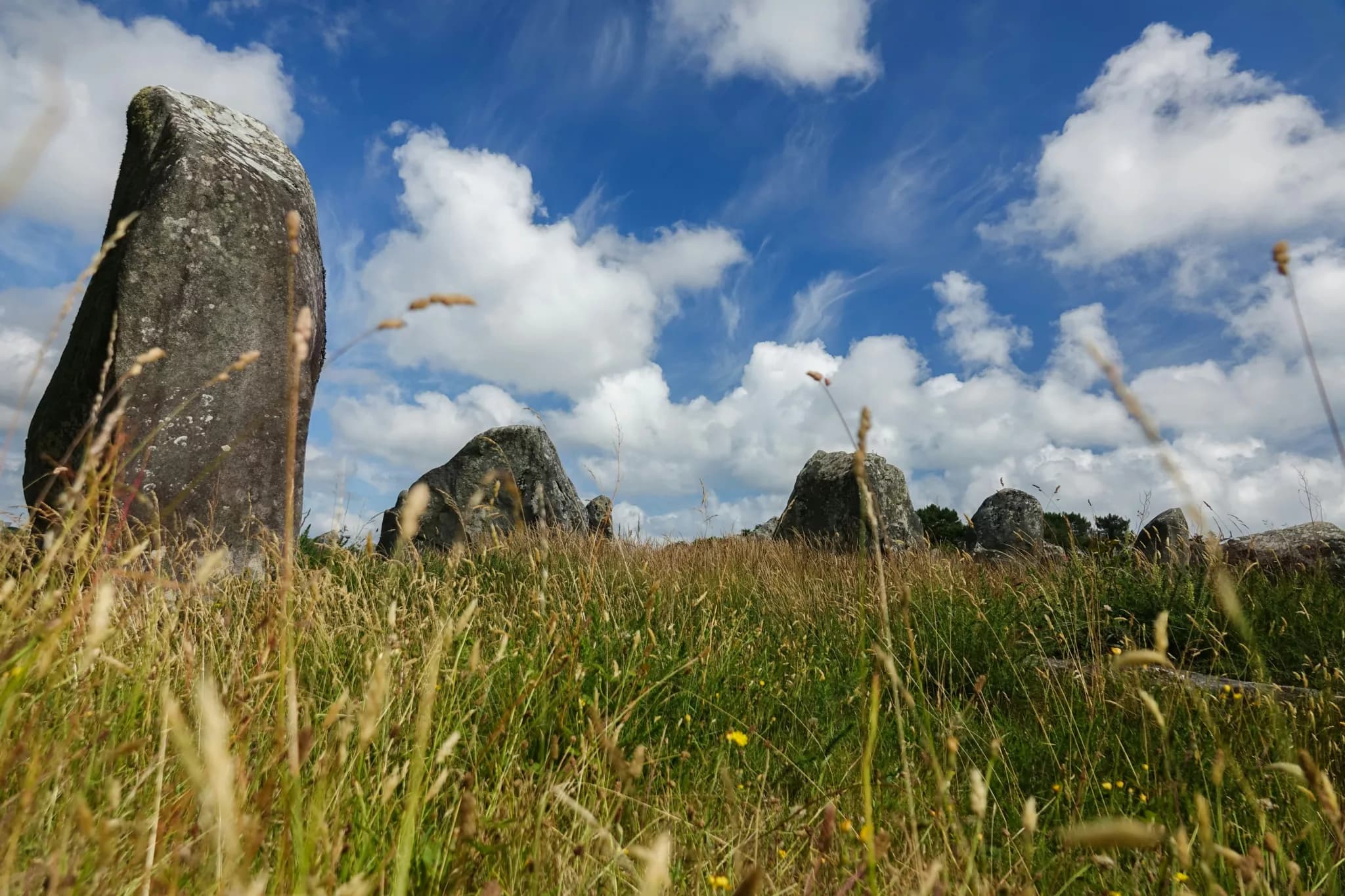
The Alignments of Carnac are the largest megalithic site in the world, and standing among these ancient stones is an experience that sends shivers down the spine. Over 3,000 menhirs — some standing more than 4 metres tall — stretch in eerily precise rows across the Breton landscape, their purpose still debated by archaeologists after centuries of study. These stones were erected approximately 7,000 years ago, making them older than the Egyptian pyramids, and the sheer scale and ambition of the project is humbling to contemplate. The site is free to visit during the off-season, when you can wander freely among the stones, while summer months offer excellent guided tours that bring the mystery and history to life. Just 15 minutes from Le Moulin des Oies Campsite, this is an absolute must-visit and a genuinely awe-inspiring experience for visitors of all ages.

⭐ Plus : over 3,000 standing stones, 7,000 years old, just 15 minutes away

2

2. The Chapel of Saint-Cado

2. The Chapel of Saint-Cado

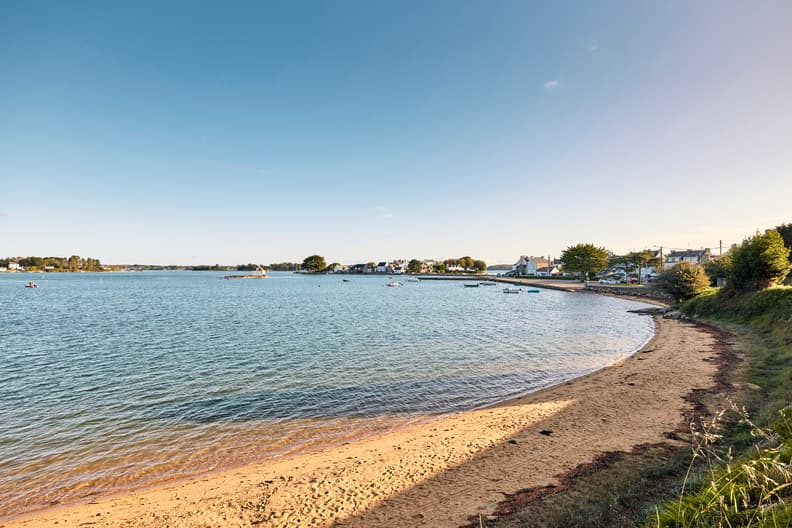
Perched on its tiny island in the Ria d'Étel, the Romanesque chapel of Saint-Cado is both a spiritual gem and a fascinating piece of Breton history. The chapel dates back to the early Middle Ages and is dedicated to Saint Cado, a Welsh monk who, according to captivating local legend, struck a bargain with the devil to build the stone bridge connecting the island to the mainland — the devil demanded the soul of the first being to cross, but the clever saint sent a cat across first. The interior of the chapel is beautifully simple, with ancient stone walls and a peaceful atmosphere that invites quiet contemplation. The acoustics are remarkable, and during summer months the chapel hosts intimate concerts that take full advantage of the extraordinary sound quality. Sitting inside this sacred space, surrounded by centuries of history and with the waters of the ria visible through the windows, is a profoundly moving experience.

⭐ Plus : a medieval chapel with a captivating legend and stunning acoustics

3

🏘️

3. The Village of Sainte-Barbe

3. The Village of Sainte-Barbe

The village of Sainte-Barbe, nestled near Plouharnel on the road between Belz and Carnac, is a beautifully preserved example of a traditional Breton hamlet. The stone houses, built from the same grey granite that characterises the menhirs of Carnac, are topped with slate roofs that glisten after rain, and their gardens overflow with hydrangeas, hollyhocks and roses in summer. Walking through the narrow lanes feels like stepping back in time to a Brittany that has changed little over the centuries, where the rhythm of life is still dictated by the seasons and the tides. The Chapelle Sainte-Barbe, perched on a hilltop above the village, offers panoramic views over the coast and the surrounding countryside that are absolutely spectacular on a clear day. This is the kind of quiet, authentic Breton village that large-scale tourism has not yet discovered — all the more reason to visit now.

⭐ Plus : a step back in time in a beautifully preserved Breton hamlet

4

🗿

4. The Tumulus of Saint-Michel at Carnac
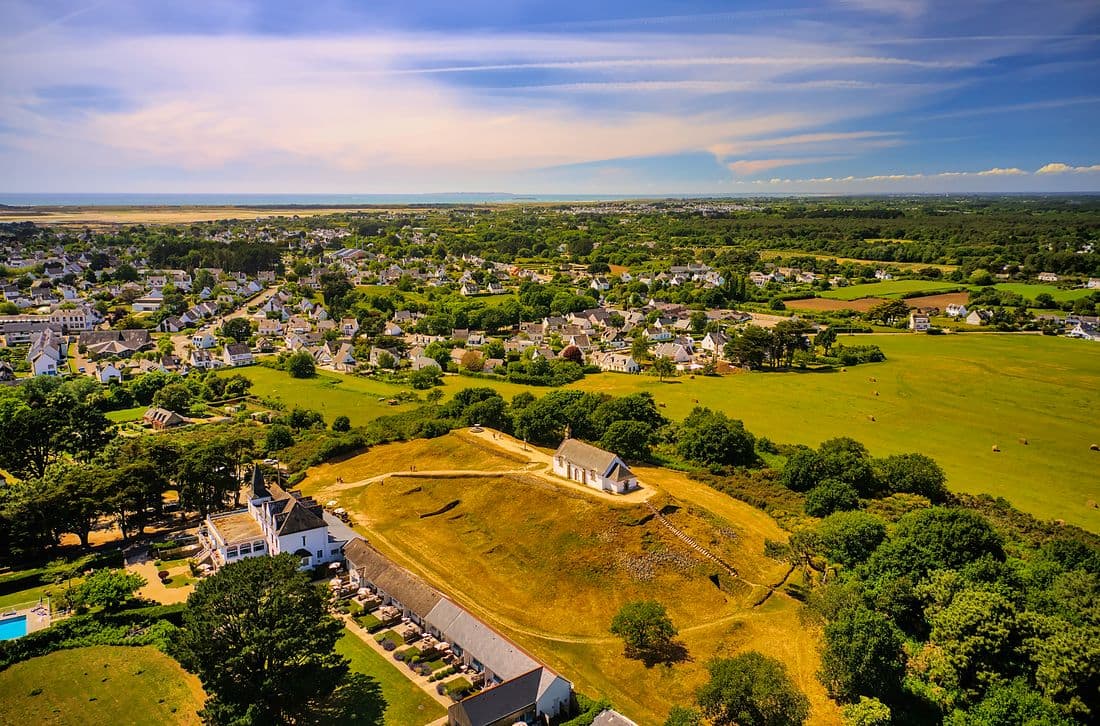
4. The Tumulus of Saint-Michel at Carnac

The Tumulus of Saint-Michel is the largest burial mound in Continental Europe, a massive earth and stone structure measuring 125 metres long, 60 metres wide and 12 metres high that dominates the landscape of Carnac. Built around 4,500 BC, this colossal monument was the final resting place of a Neolithic chieftain and contained an impressive collection of grave goods including jade axes, pottery and jewellery. A small chapel, perched on the summit, was built centuries later and offers magnificent views from its elevated position — on a clear day, you can see from the alignments of Carnac to the Quiberon peninsula and beyond. The nearby Musée de Préhistoire in Carnac town provides deeper archaeological context, housing one of Europe's finest collections of prehistoric artefacts and bringing the world of the tumulus builders to vivid life. The combination of ancient history and panoramic scenery makes this a deeply rewarding visit.

⭐ Plus : the largest burial mound in Continental Europe, with panoramic views

5

🏰

5. Vannes: The Medieval City

5. Vannes: The Medieval City

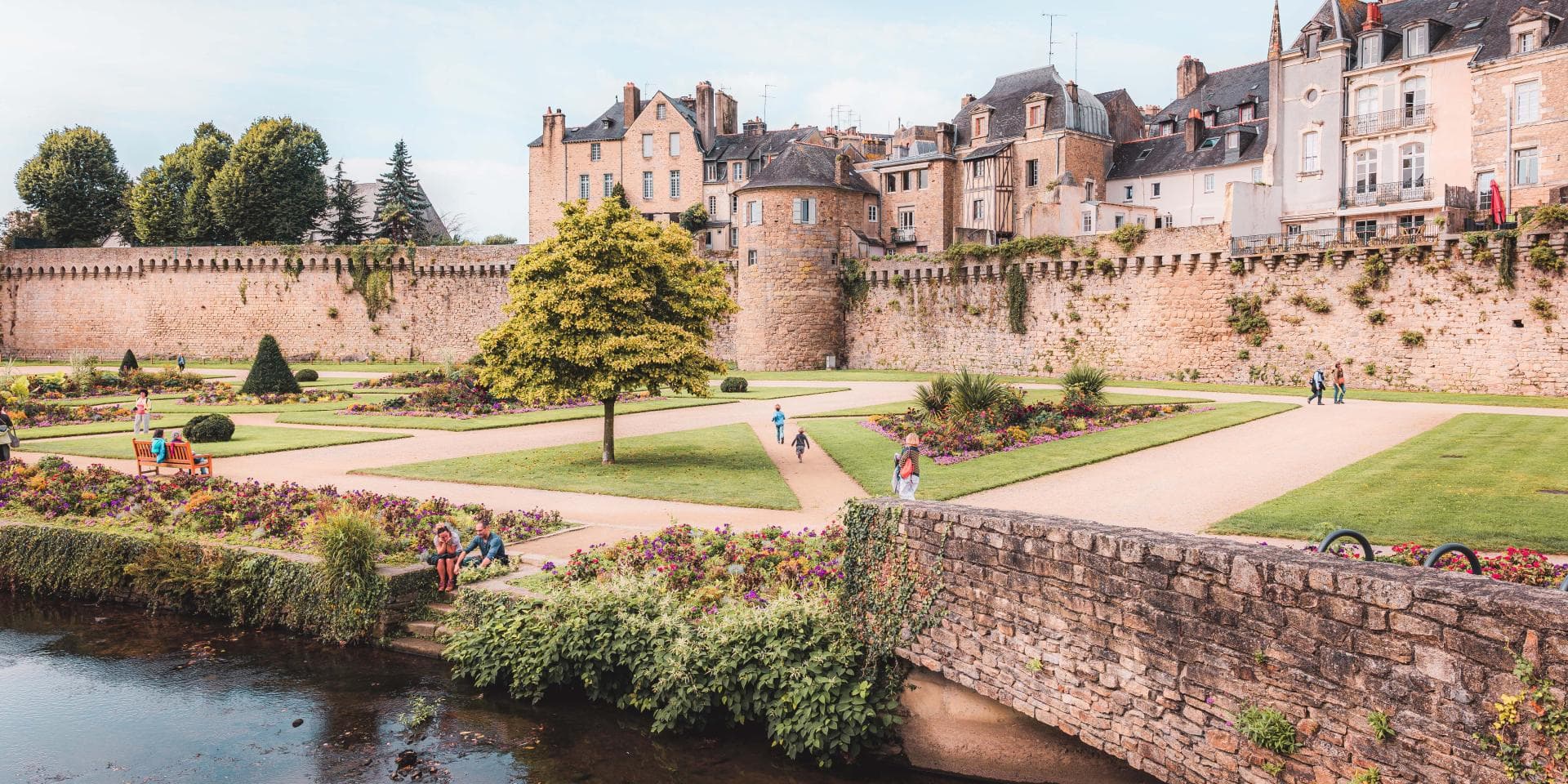
The city of Vannes is widely considered the best-preserved medieval city in Brittany, and a visit here feels like walking through the pages of a history book. The magnificent ramparts, originally built in the 3rd century and reinforced over the centuries, still encircle much of the old town, and the beautifully maintained gardens that run alongside them are a delight in every season. Within the walls, a labyrinth of cobbled streets is lined with exquisitely preserved half-timbered houses, their colourful facades leaning at charmingly precarious angles over the lanes below. The imposing Cathédrale Saint-Pierre, with its mix of Romanesque and Gothic architecture, anchors the spiritual heart of the city, while the ancient washing places along the river add a picturesque touch. Located just 40 minutes from the campsite, Vannes is a full day out — explore the old town in the morning, lunch at the covered market, and spend the afternoon in the rampart gardens or cruising the Gulf of Morbihan.

⭐ Plus : the best-preserved medieval city in Brittany, 40 minutes away

6

🌊

6. Locmariaquer and the Table des Marchands
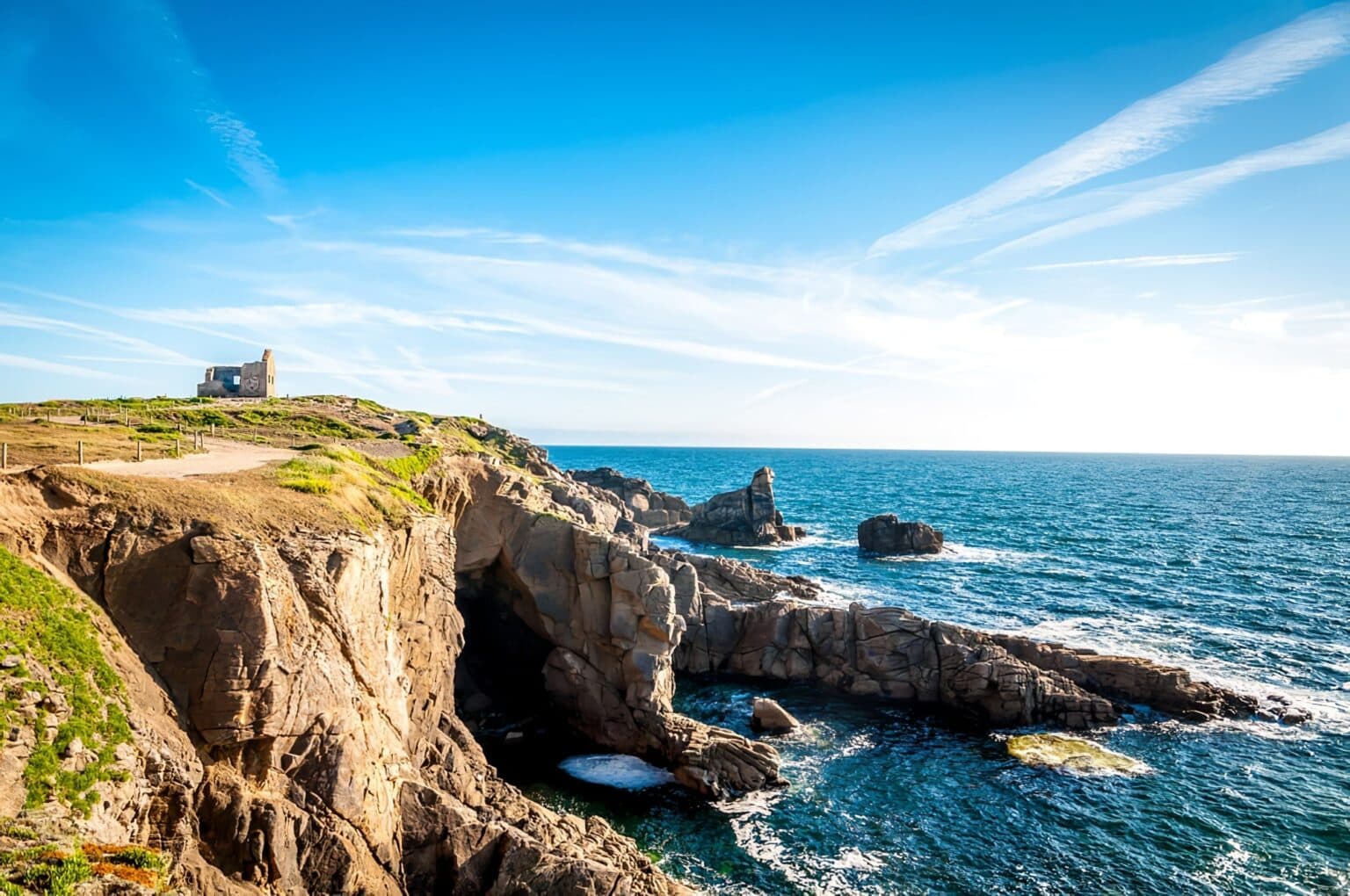
6. Locmariaquer and the Table des Marchands

At the mouth of the Gulf of Morbihan, the small town of Locmariaquer is home to one of the most remarkable megalithic sites in Europe. The Grand Menhir Brisé, now lying in four pieces on the ground, was once a single standing stone of over 20 metres in height and weighing approximately 280 tonnes — the largest menhir ever erected by human hands, a feat of engineering that remains astonishing to contemplate. Beside it, the Table des Marchands is a magnificent dolmen whose interior chamber features a beautifully carved ceiling stone depicting mysterious axe-head symbols and a crook-shaped motif that has puzzled archaeologists for generations. The nearby Tumulus d'Er Grah completes the trio of monuments, and a combined ticket allows you to explore all three sites with informative panels that bring the prehistoric world to life. The setting, at the edge of the gulf with views across the water to the islands, adds a sublime natural dimension to this already extraordinary historical experience.

⭐ Plus : the Grand Menhir Brisé, once 20 metres tall, and a mysterious dolmen

🏛️ Brittany's rich history is everywhere around Le Moulin des Oies Campsite. From the awe-inspiring megaliths of Carnac and Locmariaquer to the intimate chapel of Saint-Cado, from the timeless villages of the hinterland to the medieval splendour of Vannes, the heritage of Morbihan spans thousands of years and never ceases to amaze. Book your stay and set off on a journey through time — these treasures are waiting for you.

Book your spring stay

The campsite opens April 3, 2026. Enjoy attractive rates and South Brittany without the crowds. Pitches and accommodations available.

Book now

Don’t miss the chance to enjoy an exceptional holiday in the heart of Morbihan.

Book your stay now by calling 02 97 55 53 26, Monday to Sunday!

Contact us